Split, Croatia | 26–31 January 2026
What happens when two coastal creative hubs,rooted in different cultural and geographical contexts,come together to explore how art, community, and spatial transformation intersect?
For six days in January 2026, Espazo A Maceta (Muros, Spain) and Culture Hub Croatia (Split, Croatia) engaged in an intensive peer-learning exchange focused on creative ecosystems, the activation of urban and rural “voids,” and the role of culture in shaping more inclusive and resilient coastal communities.
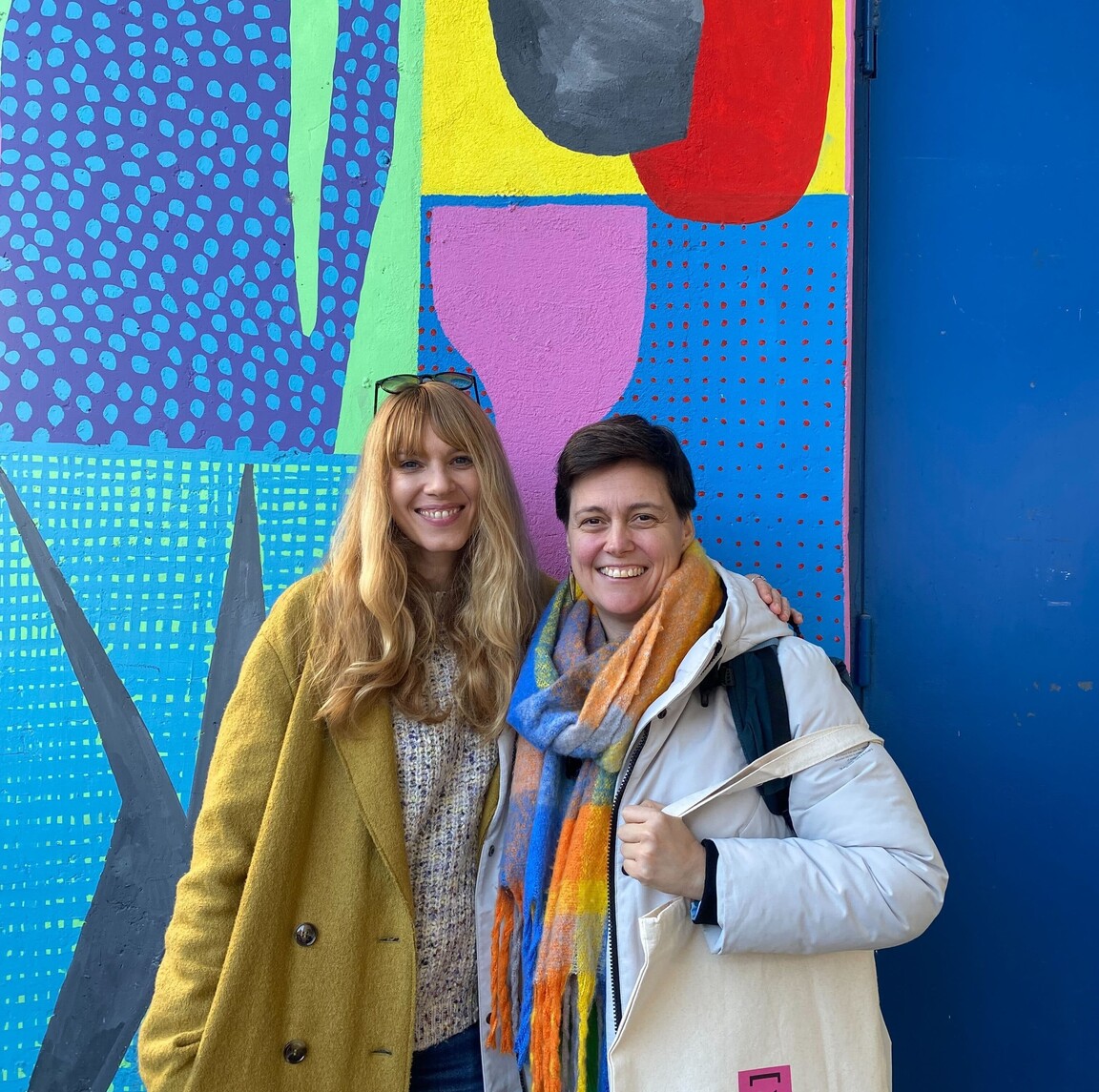
The program brought together Alba Fernández Arias, founder of Espazo A Maceta, and Marina Batinić, co-founder of Culture Hub Croatia, including the team behind PROSTOR, to develop a shared framework for collaboration and explore the foundations of a future European cooperation project.
Coastal Contexts and the Question of “Voids”
At the core of the exchange was a shared research question:
How can creative hubs activate underused spaces in coastal historic environments without contributing to displacement, over-tourism, or cultural erosion?
For Culture Hub Croatia, this question connects directly to their work in Split through PROSTOR, a community-driven creative hub shaped by open calls, shared governance, and inclusive cultural programming. PROSTOR operates as a space for experimentation and exchange, where artists, educators, and local residents co-create responses to social and urban challenges.
Espazo A Maceta brings a complementary perspective from Muros, a small coastal village in Galicia, where the hub—known locally as “the Pot”—works with artists and communities to activate cultural and environmental “seeds.” Its initiatives focus on rural regeneration, preservation of traditional knowledge, and supporting local resilience in the face of seasonal tourism and economic fluctuation.
Together, both organisations identified a shared thematic focus: the activation of “voids”—vacant retail spaces, underused buildings, and socially disconnected areas—as sites for cultural and social innovation.
Field Exploration and Shared Ground in Split
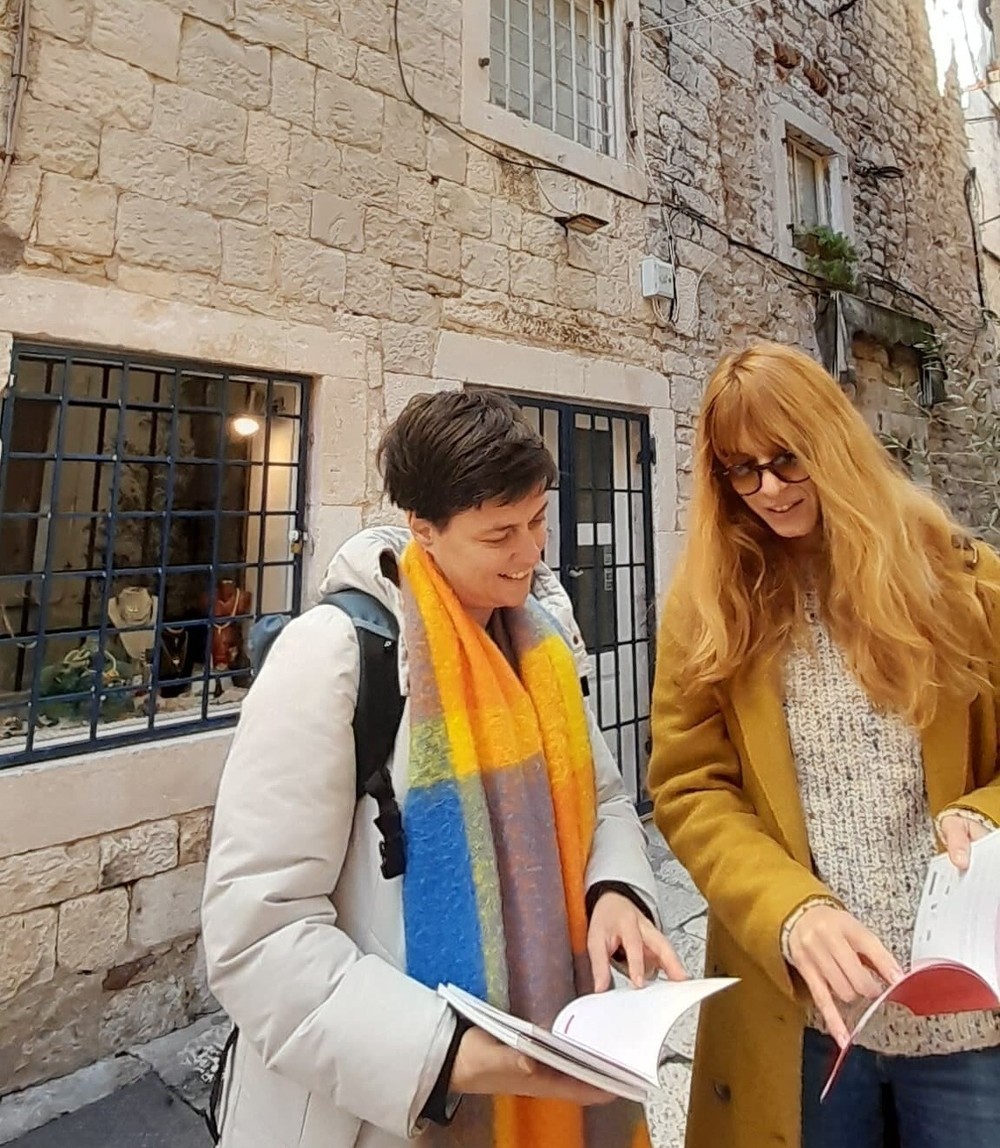
The exchange began with a field visit across Split’s historic centre, where participants explored the city’s layered urban fabric and discussed local pressures such as tourism intensity, housing affordability, and the transformation of the coastal economy.
|
|
These observations grounded the exchange in lived urban realities and helped frame “voids” not only as physical absences, but as socio-economic conditions shaped by global and local forces.
The visit reinforced the importance of cultural actors in mediating these tensions, particularly in historic coastal cities where cultural identity, economy, and public space are tightly interwoven.
Knowledge Exchange and Collaborative Development
The following days focused on mutual learning, project exchange, and collaborative design. Espazo A Maceta shared its approach to community-led cultural production in Muros, including A luz que enche os espazos baleiros, a project exploring the symbolic and social potential of empty spaces through artistic intervention. Culture Hub Croatia presented the evolution of PROSTOR and its broader organisational model, highlighting programming strategies, governance structures, and funding mechanisms developed through European, national, and local support systems.
A key component of the exchange was the discussion of funding strategies and project development pathways, providing practical insight into navigating European cultural programmes while maintaining community-rooted practice. Building on these conversations, both teams worked to connect the experiences and methodologies developed through A luz que enche os espazos baleiros and the Voids project in Split, gradually shaping a shared analytical and narrative framework for understanding “voids” across coastal contexts. This framework linked spatial vacancy with broader challenges such as seasonal economies, cultural accessibility, the sustainability of small local businesses, and social cohesion in historic urban centres.
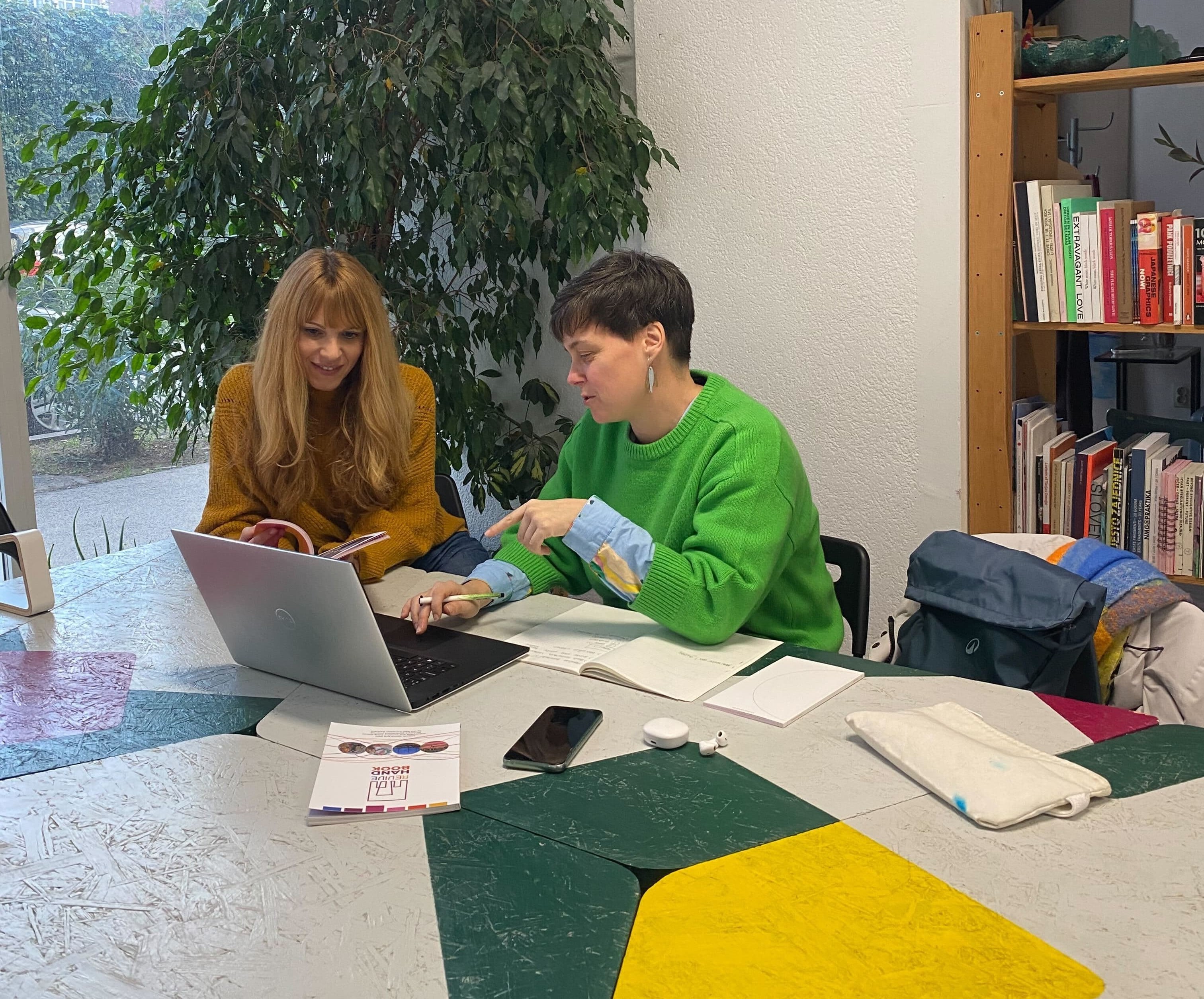
As the exchange progressed, the focus shifted towards intensive co-creation and the development of future collaboration opportunities. Joint working sessions laid the foundations for a potential Creative Europe cooperation project aligned with priorities related to social innovation, cultural regeneration, and cross-border collaboration. The emerging narrative positioned creative hubs as key actors in addressing spatial and social fragmentation in coastal historic districts, using artistic practice as a tool to interpret, activate, and reimagine underused spaces. Parallel discussions also explored the potential expansion of the partnership through the involvement of additional creative hubs from comparable coastal contexts, strengthening the basis for future European cooperation initiatives.
Public Presentation and Local Engagement
The exchange concluded with a public presentation and interactive session in Split, where the developing project framework was shared with local stakeholders and cultural actors.
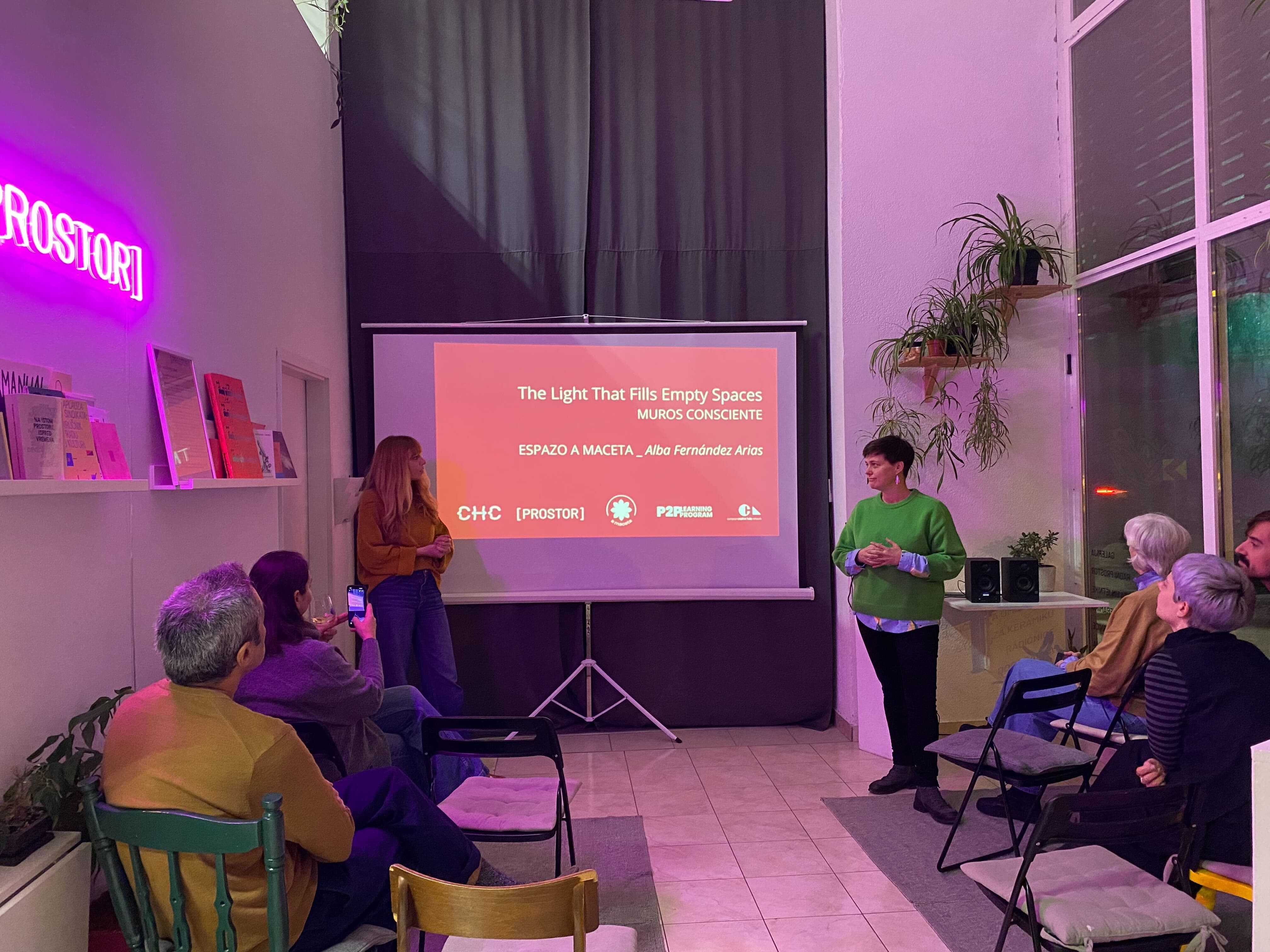
The event opened space for dialogue around the role of cultural infrastructure in urban transformation and highlighted the relevance of cross-border cooperation in addressing shared European challenges. For both teams, the presentation marked an important moment of external validation and reflection, translating internal development work into a publicly articulated vision.
Outcomes and Future Collaboration
The exchange generated several tangible outcomes, most notably the development of a shared conceptual framework for understanding and addressing “voids” in coastal historic districts through cultural and artistic practices. Building on the methodologies and experiences of both organisations, participants co-created the initial structure of a potential Creative Europe cooperation project, with the ambition of preparing a proposal for submission in autumn 2026.
The programme also provided valuable insight into the funding ecosystems, governance models, and operational approaches shaping cultural organisations in Spain and Croatia. These exchanges not only strengthened institutional ties between Espazo A Maceta and Culture Hub Croatia but also established a common foundation for future collaboration.
What began as a focused peer-learning exchange evolved into a broader exploration of how creative hubs can respond to spatial, social, and economic transformation in coastal communities. By connecting the experiences of Muros and Split, the partners developed a shared vision centred on place-based knowledge, artistic practice, and cultural regeneration. This collaboration laid the groundwork for a long-term partnership that will continue through the development of local case studies, engagement with research partners and stakeholders, and the expansion of a potential European consortium involving additional creative hubs from comparable coastal contexts.