Helsinki, Finland | May 2026
What can a former industrial complex teach us about the future of creative hubs?
Over the course of a week in May 2026, representatives of La Finestra Community Hub and Itinerari Paralleli ETS travelled to Helsinki to explore the organisational model of KAAPELI—one of Europe's most established cultural infrastructures. More than a study visit, the exchange became an opportunity to reflect on how creative hubs can combine financial sustainability, community engagement, and artistic freedom while contributing to urban regeneration.
Through meetings with the KAAPELI team, site visits across its network, and exchanges with cultural professionals, the mobility offered practical inspiration for the future development of La Finestra Community Hub and Chimera Fest 2026.
Rethinking the Role of Cultural Infrastructure
How can creative hubs become financially sustainable while remaining accessible, community-oriented, and artist-centred?
KAAPELI offers a distinctive answer. Operating as a self-sustaining real estate company owned by the City of Helsinki, it reinvests its revenues into affordable cultural spaces rather than relying on operational subsidies. Guided by the principle of "no curation, complete artistic freedom," the organisation has transformed former industrial sites into thriving cultural ecosystems where artists, cultural organisations, creative businesses, and local communities coexist.
For La Finestra Community Hub, this model provided a compelling example of how economic sustainability can reinforce, rather than compromise, cultural and social value.
Exploring a Network of Creative Spaces
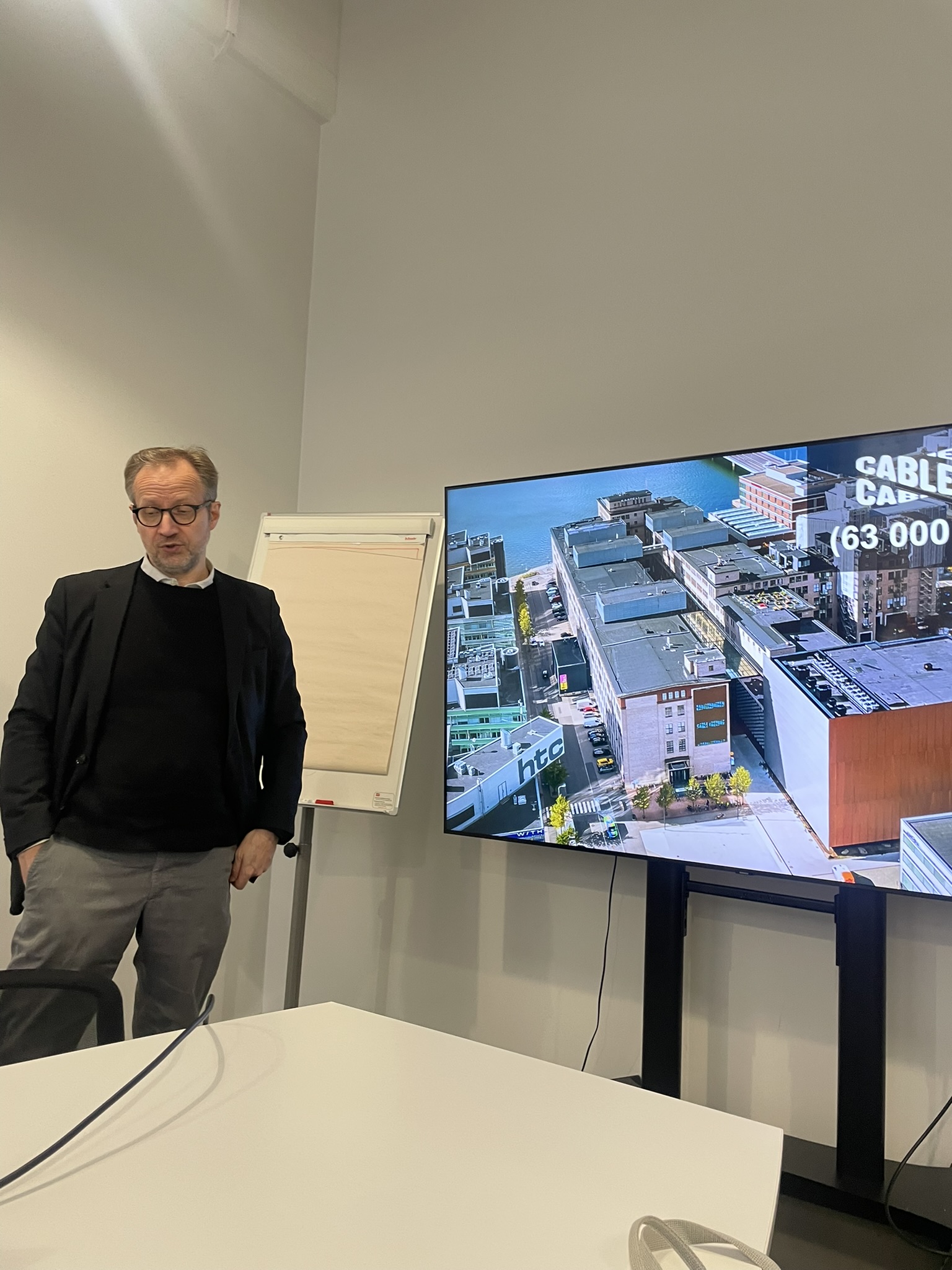 The mobility began with an introduction to KAAPELI and a guided tour of the Cable Factory led by Managing Director Kai Huotari and Head of Property Reine Heikkinen. The visit offered an overview of the organisation’s history, governance model, and day-to-day operations, with direct exchanges involving tenants such as artists, cultural organisations, and educational institutions based in the complex.
The programme then moved to Suvilahti, where the focus shifted to community management and urban regeneration. Through shadowing community manager Anni Sundell, the visit explored participatory cultural practices, festival infrastructures, and youth-led initiatives within a former industrial site now functioning as a key cultural district for Helsinki.
Mid-week sessions focused on communication, networking, and event management, including reflections on international cultural networks such as the European Creative Hubs Network and Trans Europe Halles. A particular highlight was the presentation of the ARMAS Festival, a nationwide initiative dedicated to cultural participation and active ageing.
 Further activities explored hospitality and event infrastructure, examining KAAPELI’s hybrid service model—from visitor services and museum operations to flexible event spaces and the in-house café bar. Attention was given to its adaptable rental system, which balances accessibility with financial sustainability while encouraging more sustainable event practices.
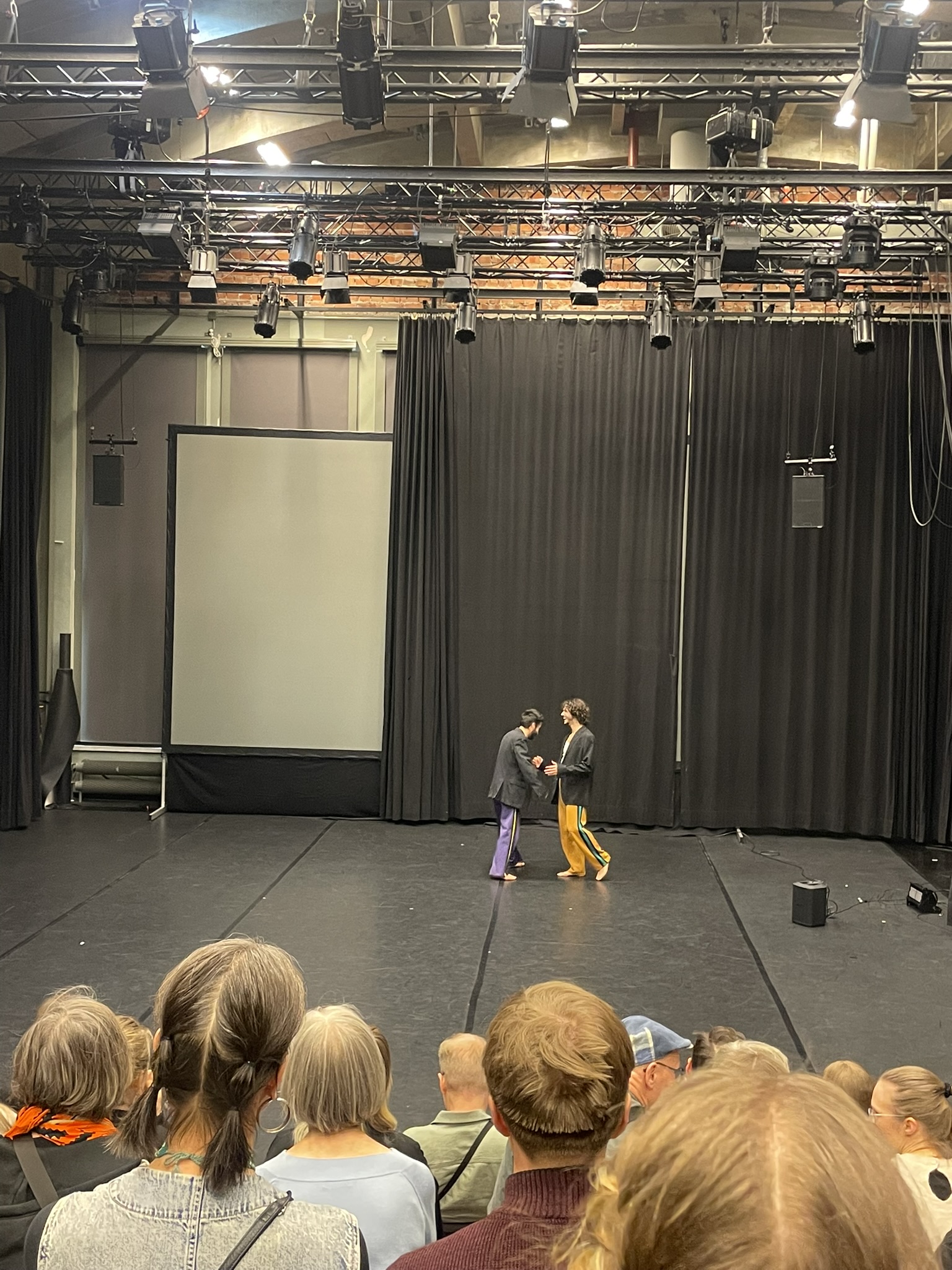
The exchange concluded with a focus on sustainability and climate resilience, addressing how cultural infrastructures are adapting to environmental challenges such as rising humidity, temperature fluctuations, and heavier rainfall. The programme ended with a visit to Dance House Helsinki, a sector-driven initiative developed in collaboration with cultural organisations and public institutions to provide a permanent home for contemporary dance.
Learning from a Network Rather Than a Building
One of the strongest impressions of the exchange was the understanding that KAAPELI functions as far more than a cultural venue.
Rather than simply managing buildings, it acts as a platform connecting spaces, organisations, artists, resources, and communities across Helsinki. This network-based approach enables artistic freedom while maintaining long-term organisational stability through a model where commercial activities support affordable cultural production.
Equally important was the organisational culture itself, built on trust, flexibility, simplicity, and collaboration. These values shape relationships with tenants, audiences, and staff, allowing a highly complex infrastructure to remain accessible, responsive, and community-driven.
For La Finestra Community Hub, these observations opened new perspectives on how adaptable spaces, multidisciplinary programming, and collaborative governance can strengthen local cultural ecosystems.
Outcomes and Looking Ahead
The exchange generated valuable insights that will directly inform the future development of La Finestra Community Hub and the programming of Chimera Fest 2026. In particular, it strengthened understanding of sustainable cultural management, international networking, community participation, and the role of flexible infrastructures in supporting creative ecosystems.
More broadly, the mobility reinforced the idea that creative hubs can act as powerful tools for urban regeneration, social participation, and cultural innovation when economic resilience is combined with public value. KAAPELI demonstrated that financial sustainability and artistic freedom are not opposing goals but mutually reinforcing foundations for a thriving cultural ecosystem.
Beyond practical learning, the exchange also strengthened international relationships and opened pathways for future European collaboration, providing a renewed strategic vision for developing more adaptive, inclusive, and resilient cultural infrastructures.