What happens when an independent publishing platform meets a creative studio rooted in design, craft, and agroecology?
For five days in Porto, The Lissome (Berlin, Germany) and Barbot Bernardo / Saber Fazer (Porto, Portugal) came together for a peer-to-peer learning exchange exploring how storytelling, craftsmanship, and ecological thinking can strengthen creative organisations and the communities they serve. Bringing together Dörte de Jesus, founder and editor-in-chief of The Lissome, and Miguel Bernardo, founder of Barbot Bernardo, the exchange created space to share organisational practices, explore collaborative opportunities, and reflect on the role of culture in building more regenerative futures.
Storytelling as a Tool for Regeneration
At the core of the exchange was a shared inquiry:
How can publishing, design, and craft work together to cultivate more resilient cultural ecosystems?
While The Lissome approaches this question through editorial storytelling and cultural publishing, Barbot Bernardo and its educational platform Saber Fazer engage with it through design, vocational learning, agroecology, and material production. Although their practices differ, both organisations share a commitment to values-driven work, local knowledge, and creating meaningful connections between people, materials, and places.
The exchange became an opportunity to explore how these complementary approaches can generate new forms of collaboration grounded in sustainability, education, and cultural resilience.
Learning Through Craft, Publishing and Place
The week combined mentoring sessions, field visits, collaborative workshops, and encounters with Porto's creative community.
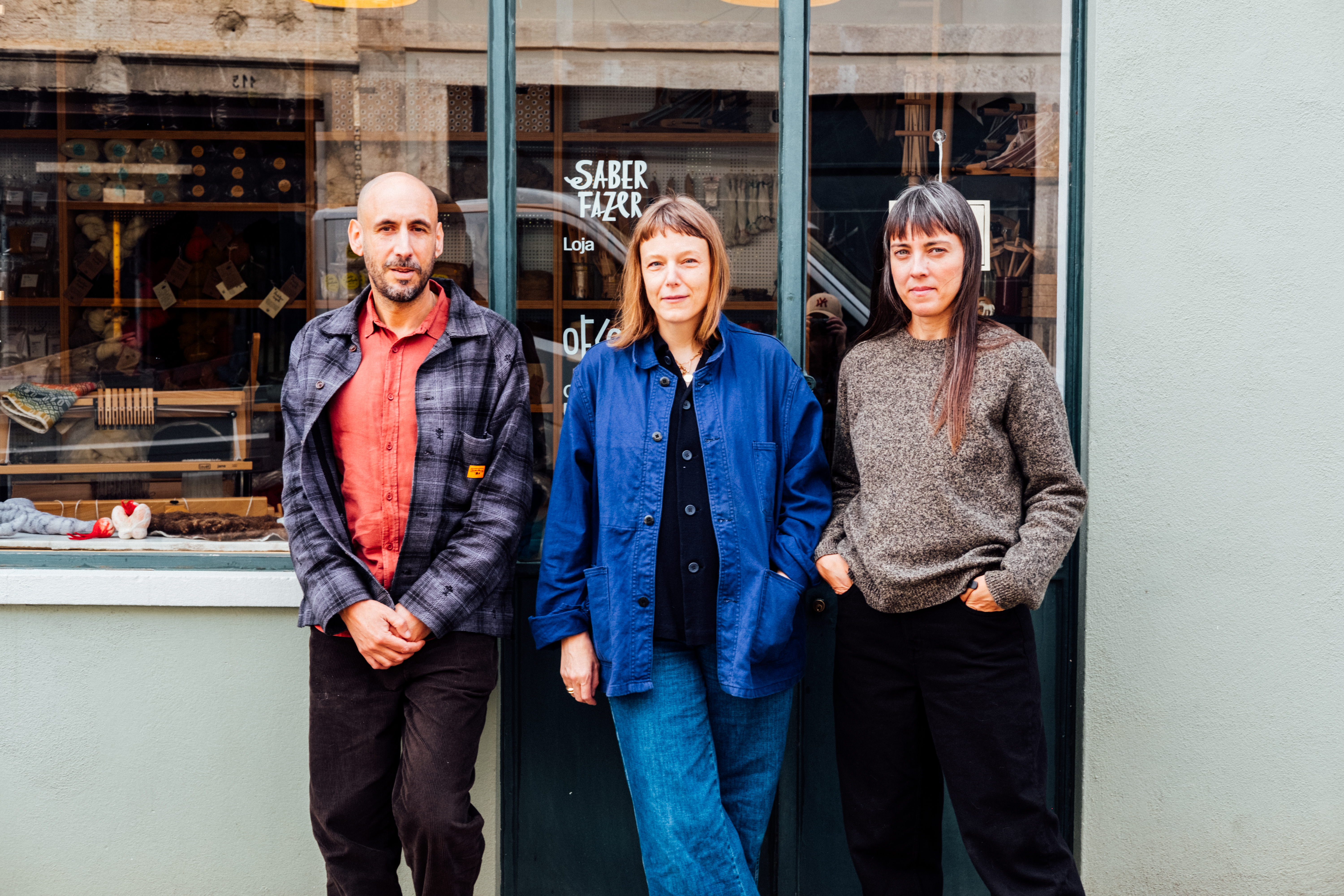 The exchange began with in-depth discussions on organisational sustainability, values-based business development, and the long-term challenges facing independent cultural organisations. These mentoring sessions created space to reflect on governance, resilience, and future growth while establishing an ongoing mentoring relationship between the two organisations.
Editorial collaboration formed another key focus of the program. Together, Dörte and Miguel developed the first concepts for future publishing projects, exploring how editorial work can connect material production, traditional knowledge, and public engagement.
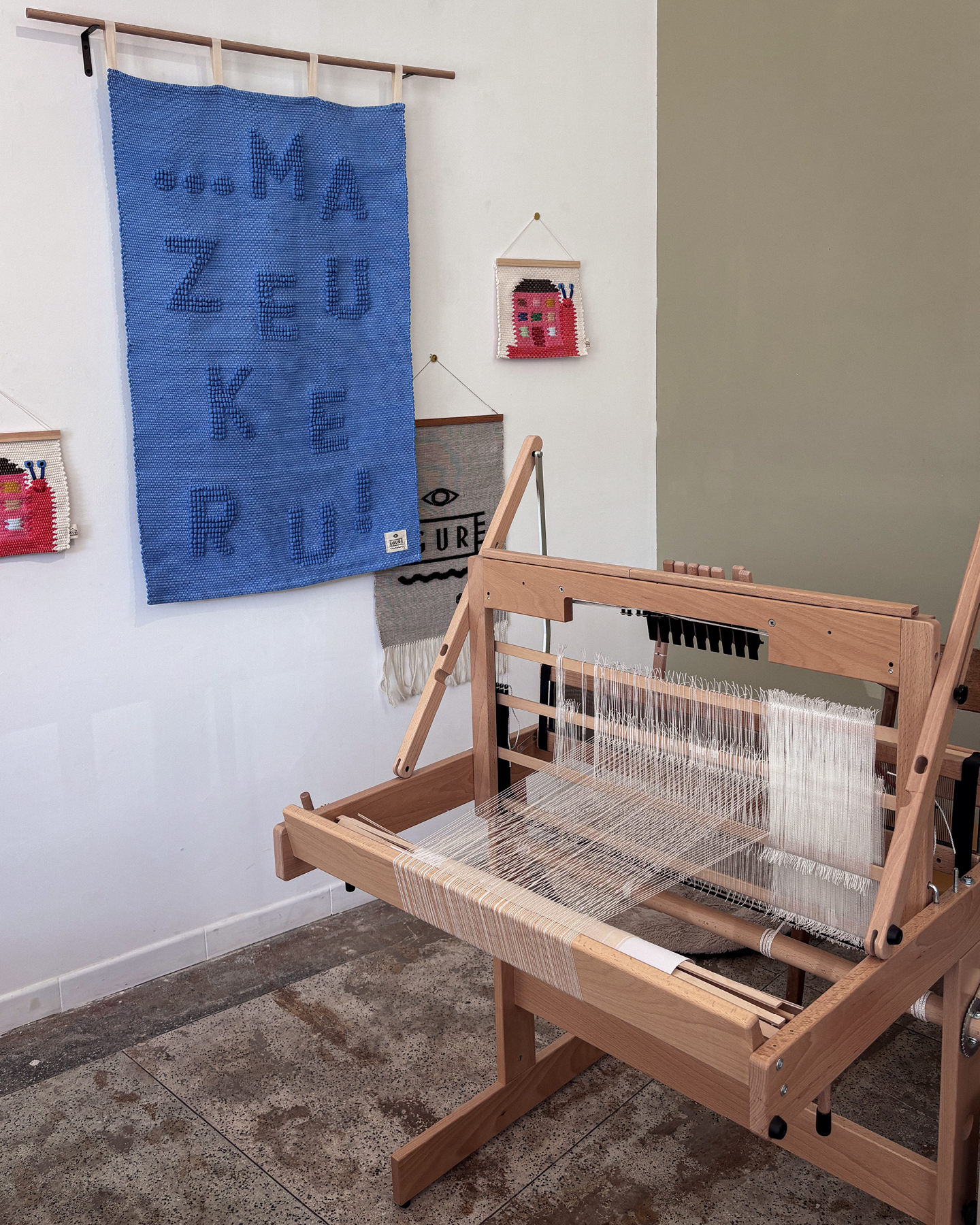 Visits to independent publishers, textile designers, makers, and fellow creative hubs—including CRU Creative Hub, the Bombarda Arts District, and Montebelo—offered a broader understanding of Porto's creative ecosystem. These encounters demonstrated how local networks, shared infrastructures, and interdisciplinary collaboration contribute to vibrant cultural communities.
The program also included a dedicated session on European funding opportunities, providing practical guidance for future collaborative projects and strengthening the foundations for long-term international cooperation.
From Material Knowledge to Public Conversation
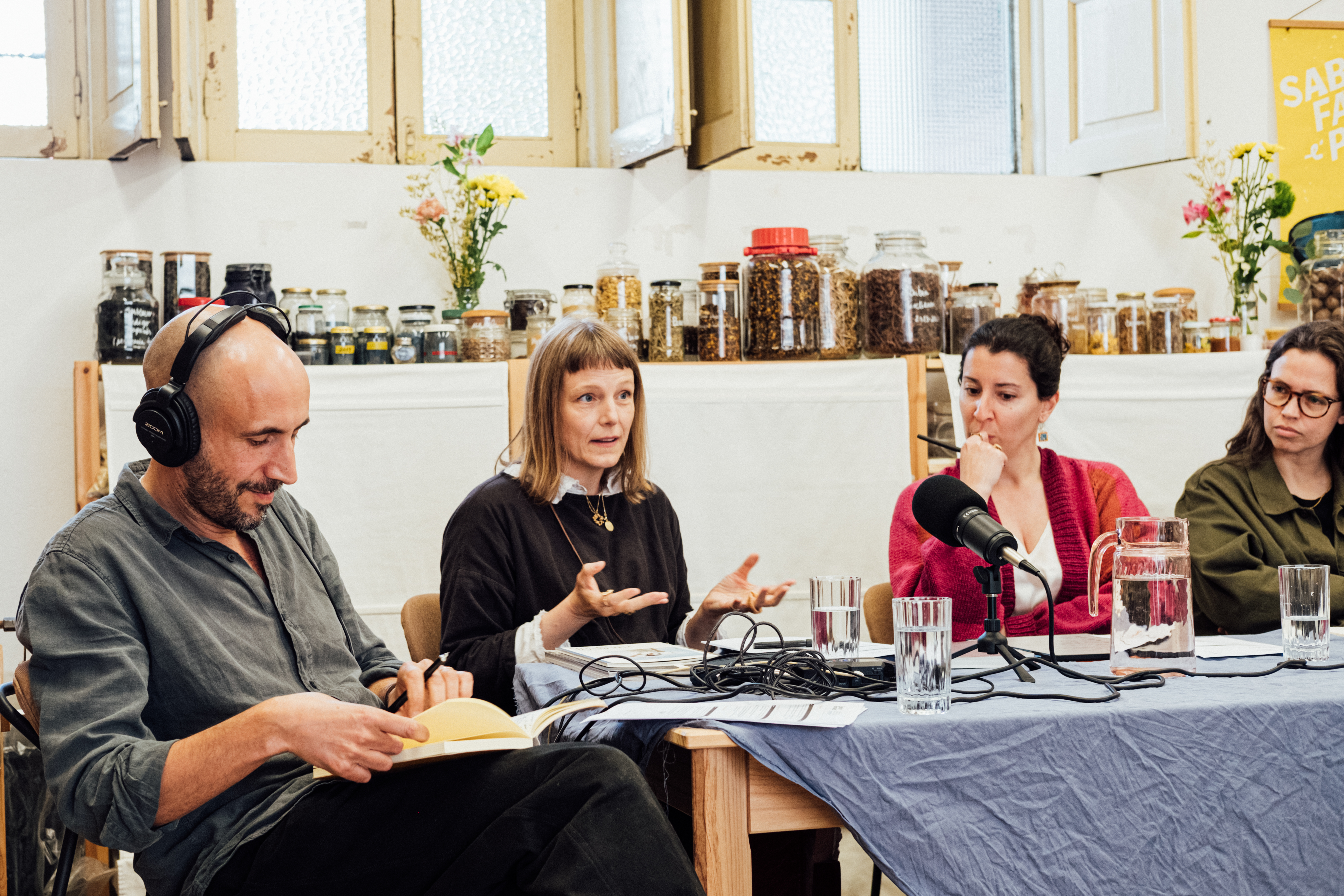 A central moment of the exchange was the public event From Soil to Story, organised jointly by The Lissome and Barbot Bernardo.
Bringing together researchers, publishers, designers, and educators, the recorded roundtable explored the connections between textiles, agroecology, education, publishing, and communication. Rather than treating these disciplines separately, the discussion illustrated how knowledge can travel from material production and craft traditions to editorial storytelling and wider public understanding.
The event highlighted the role of creative hubs as spaces for interdisciplinary dialogue and knowledge exchange. Recorded during the exchange, the conversation will continue reaching new audiences through publication across both organisations' platforms.
Outcomes and Looking Ahead
The exchange generated outcomes that extended well beyond the mobility itself. A key achievement was the establishment of an ongoing mentoring relationship supporting the strategic development of The Lissome, alongside the creation of several collaborative editorial outputs, including a filmed roundtable discussion, a long-form interview, shared documentation, and the foundations for a joint editorial project.
Perhaps most importantly, the exchange reinforced a shared understanding that cultural resilience is built through relationships, shared infrastructures, and communities of practice. Across the designers, publishers, educators, and creative organisations encountered in Porto, a common principle emerged: meaningful cultural work depends on creating environments where knowledge, skills, and traditions can be continuously shared and renewed.
Building on this shared vision, both organisations have continued their collaboration through regular mentoring sessions and the development of new editorial initiatives. They are also exploring opportunities for a future Creative Europe cooperation project and continued engagement within the European Creative Hubs Network.
What began as a peer-learning exchange ultimately became a broader reflection on how storytelling, craft, ecology, and education can collectively shape more regenerative cultural futures. The partnership established between The Lissome and Barbot Bernardo demonstrates that innovation is not only about creating something new—it is also about reconnecting people with local knowledge, materials, and each other through meaningful collaboration.
Watch the roundatble here.