How can a rural makerspace become financially sustainable, build meaningful relationships with its local community and develop a distinctive identity? The experience of Buinho Creative Hub in Messejana, Portugal, offers valuable insights into these questions.
During a peer-to-peer exchange supported by the European Creative Hubs Network, participants explored how Buinho evolved from an experimental initiative into a rural creative hub combining artist residencies, digital fabrication, education and community engagement. For PAS Rural Co-living and the development of Terruño in Cantabria, its experience offers practical lessons on how to start small, build a sustainable business model and grow without losing sight of the project's purpose.
Buinho began around 2011 as a university initiative exploring how students could create their own opportunities through entrepreneurship and digital fabrication. Inspired by the possibilities of bringing creative production to rural areas, founders Carlos and Sara moved to Messejana in 2017, gradually renovating houses and developing a combination of residencies and makerspace activities.
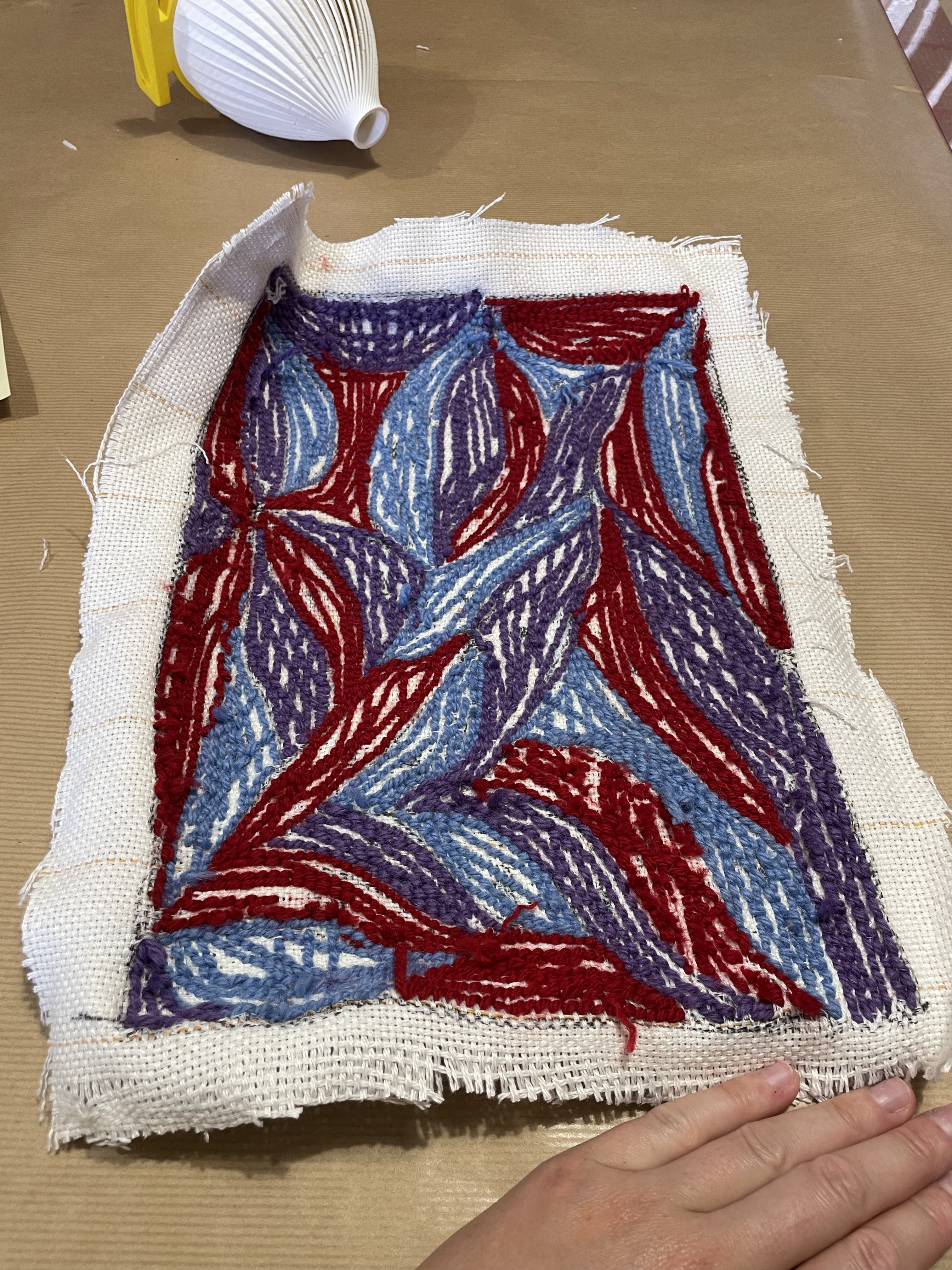
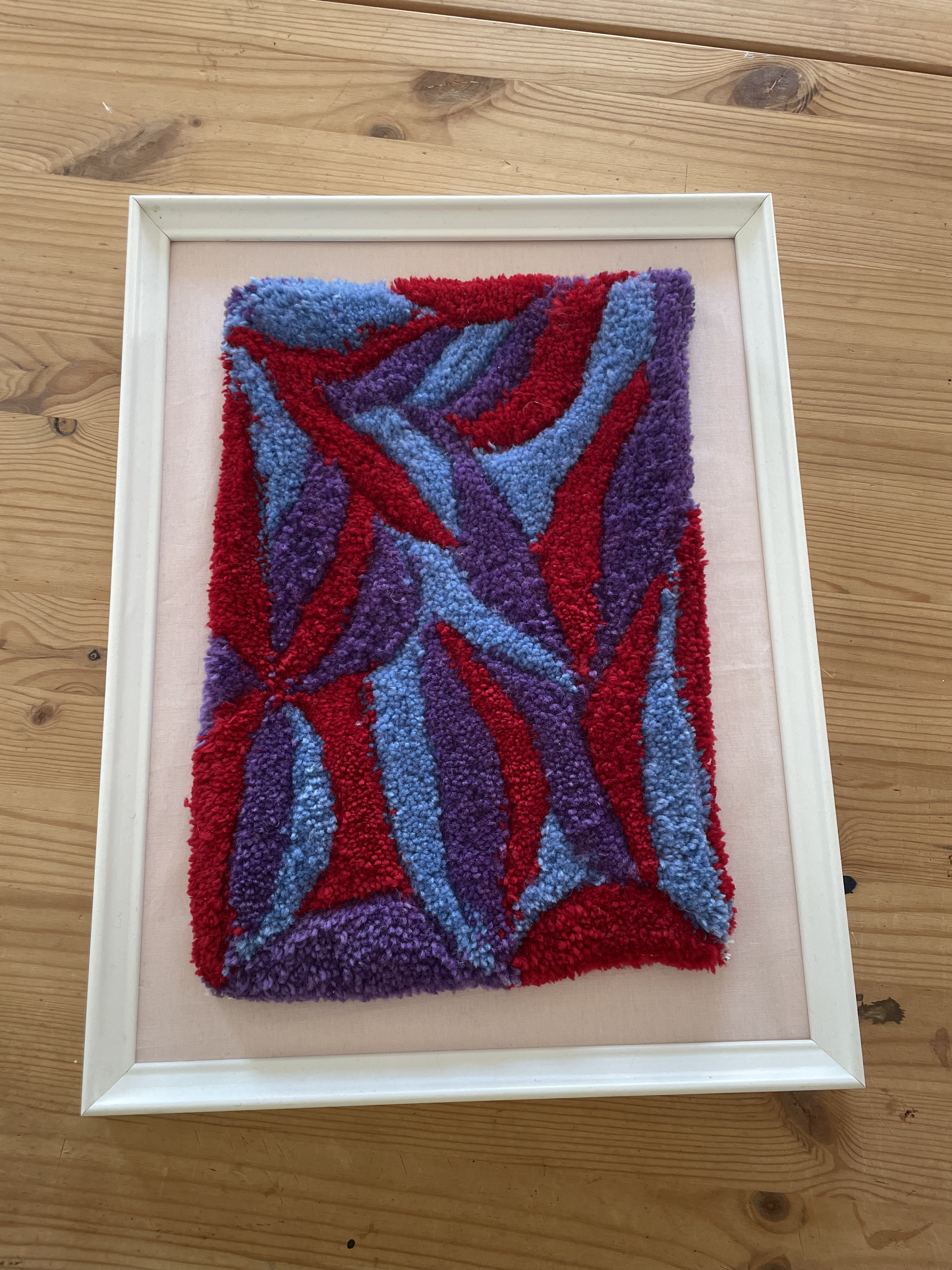
The project grew through experimentation, financial challenges and a gradual diversification of activities, particularly after the COVID-19 pandemic disrupted residency income. Today, its work focuses on three areas: education, sustainable practices and transition, and artistic experimentation through Gambiarra.
Inspired by the principle of SLOC (small, local, open and connected) Buinho demonstrates how a rural hub can remain rooted in its territory while building international connections and attracting people to a remote location.
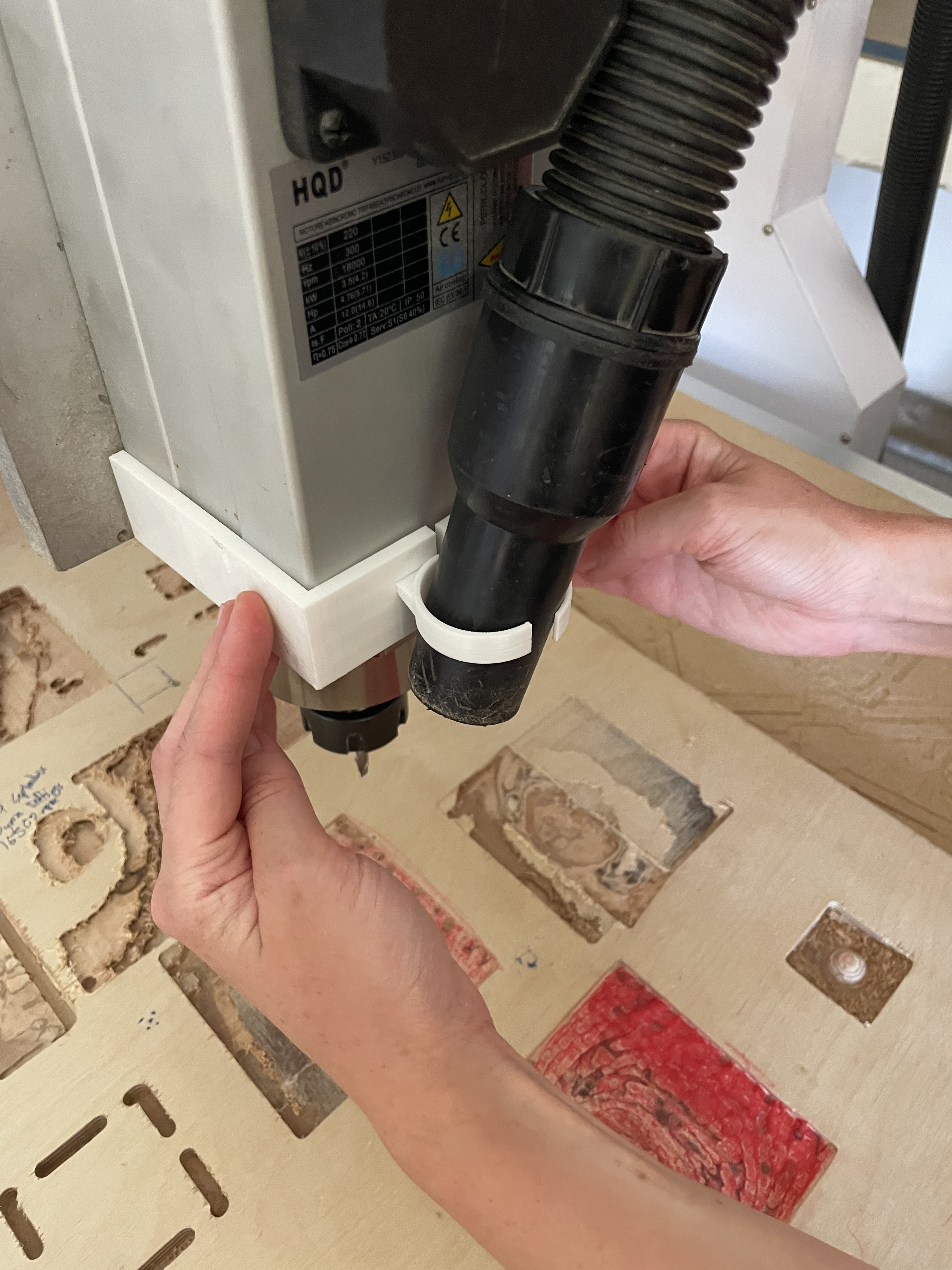
Buinho operates across several buildings in Messejana, each serving a different purpose, from artist residencies and educational activities to workshops and larger machinery. Rather than continually expanding, the organisation is now focusing on improving and specialising its existing spaces.
As Carlos explains, a makerspace is a place where people are entitled to play. Beyond equipment, it offers an environment for experimentation, learning and informal exchange. Spaces should be practical and welcoming, with accessible tools, workbenches and large communal tables. They should also respond to different users, from visiting artists to local groups and training participants.
|
|
|
For PAS Rural Co-living, this suggests starting with a flexible, multi-purpose workshop and a limited set of tools, expanding only when demand justifies further investment. The first question should not be which machines to buy, but who the makerspace is for and what needs it aims to address.
Buinho combines three main activities: paid artist residencies, education contracts with municipalities, and funded trainings and exchanges, mainly through Erasmus+. Together, these activities allow the organisation to reach different audiences while diversifying its income.
Residencies are carefully curated around artists' motivations, the available facilities and the areas Buinho wants to develop. The experience has also shown the importance of realistic pricing, clear cancellation policies and quick communication with applicants. Beyond accommodation and equipment, shared meals, artist talks and informal encounters help create a meaningful residency experience.
Education contracts provide regular income, while European programmes support international exchanges and professional development. However, Buinho has learned not to rely exclusively on grants. Its approach is to use self-generated income to cover core running costs and treat project funding primarily as an opportunity to invest in infrastructure, equipment and new ideas.
The organisation operates through a commercial company and a non-profit association, separating income-generating activities from much of its project-based and social work. It also pays close attention to cash flow, since grant reimbursements can arrive after expenses have already been incurred.
For PAS Rural Co-living, the key lesson is to identify potential sources of income from the beginning. Residencies, workshops, educational activities and commissions could support everyday operations, while Erasmus+ and other grants could help finance development. Starting with smaller projects and partnerships would allow the initiative to build experience before pursuing longer-term accreditation or expanding its activities.
One of Buinho's most important lessons concerns its relationship with the local community. Carlos describes integration as an ongoing challenge, emphasising that a creative initiative cannot arrive in a village assuming it knows what local people need.
Trust develops gradually through presence, consistency and shared experience. During the exchange, the team described how a sculptor working outdoors in the village for several months initially faced ridicule but gradually earned respect through her visible commitment. The example illustrates how working alongside a community can sometimes achieve more than organising activities designed to attract participation.
Buinho also stresses the importance of respecting local identities and creating space for different perspectives, rather than imposing external values or expectations. Building relationships takes time, and professional responsibilities should not come at the expense of being present in the community.
For PAS Rural Co-living this means making the development process visible, involving local builders and craftspeople, and identifying shared interests with neighbours, schools and local organisations. International participants and volunteers can contribute to this process, but language barriers and different cultural expectations need to be considered.
After years of expansion, Buinho is prioritising consolidation. Its focus is on completing existing spaces, improving equipment, strengthening financial reserves and defining a clear identity rather than continually adding buildings and activities.
As more rural makerspaces emerge, Buinho aims to become a reference for art and technology in Messejana. Its ambition is not to replicate a large urban creative hub, but to develop an approach that is meaningful precisely because of its location and the communities it serves.
This also means recognising the limits of organisational growth. Expanding too quickly can create financial pressure and administrative responsibilities that leave less time for experimentation and community engagement.
For PAS Rural Co-living, the challenge is to develop a distinctive model connecting co-living, making and building, rooted in Cantabria's local materials, knowledge and practices. Natural construction, community-led building and women's participation in construction could provide promising starting points, subject to further exploration with potential participants and local partners.
The next step is to translate these learnings into a realistic development plan. The initial priorities are to define the community the makerspace intends to serve, identify two or three areas of specialisation, prepare a flexible workshop and pilot a small residency program.
In parallel, PAS Rural Co-living could explore partnerships with local councils, schools, builders and craft groups, while identifying opportunities for small-scale Erasmus+ projects and future international exchanges. Pricing, cancellation policies and communication procedures should be established from the outset, with further investment guided by actual demand.
Collaboration with Buinho could continue through staff mobility, training activities, exchanges between residents and future Erasmus+ partnerships. A feedback visit once the first pilot is running could also help identify opportunities for further development.
Buinho's experience shows that a successful rural makerspace is not defined by its buildings or machines alone. Its sustainability depends on the relationship between its program, financial model, local community and long-term vision.
For PAS Rural Co-living and Terruño, the opportunity is to build on these principles to create a distinctive rural initiative that connects living, making and building, strengthens local relationships and develops at a pace that allows both the project and its community to thrive.