How can creative hubs bring traditional craftsmanship into dialogue with contemporary artistic practices, while creating new opportunities for knowledge exchange and international collaboration?
The exchange between Culture Hub Croatia (CHC), UrbanGlass and KEEP Brooklyn brought this question to New York, exploring the role of specialised creative infrastructure, education and international partnerships in supporting the future of glassmaking.
Culture Hub Croatia was established in 2017 in Split, Croatia, working at the intersection of education, culture and creativity. Since 2021, it has been operating PROSTOR, an inclusive creative hub providing opportunities for artists, designers, cultural professionals and the wider community to meet, collaborate and experiment. Through its activities, CHC supports contemporary artistic practices, knowledge transfer and community engagement, with a particular interest in connecting traditional craftsmanship with new creative approaches.
For Marina Batinić, co-founder of Culture Hub Croatia, the exchange offered an opportunity to explore a new direction for PROSTOR: developing glassmaking as an emerging field of activity, while drawing inspiration from established models of specialised creative infrastructure.
The visit brought together two organisations working in different but complementary ways within the glassmaking ecosystem. UrbanGlass, founded in New York in 1977, has developed into one of the leading organisations dedicated to experimentation, education and the advancement of glass as a creative medium. KEEP Brooklyn, founded by Susan Špiranović and Adam Holtzinger, is an independent design and fabrication studio specialising in handcrafted glass lighting and decorative objects, combining traditional glassblowing techniques with contemporary design.
Both organisations offered different perspectives on a question central to CHC's future development: what does it take to create the conditions for a creative community to learn, experiment and develop around a specialised artistic practice?
The exchange began with meetings and knowledge-sharing activities at UrbanGlass, providing an opportunity to explore how an organisation dedicated to a particular artistic medium can develop a comprehensive support system for its professional community.
UrbanGlass combines professional studio facilities, equipment rental, educational programmes, artist residencies, fellowships, exhibitions and public activities. Supporting approximately 350 working artists annually through its studio programme and reaching more than 1,000 students through its educational activities, it offers an interesting example of how specialised infrastructure can support different stages of artistic development.
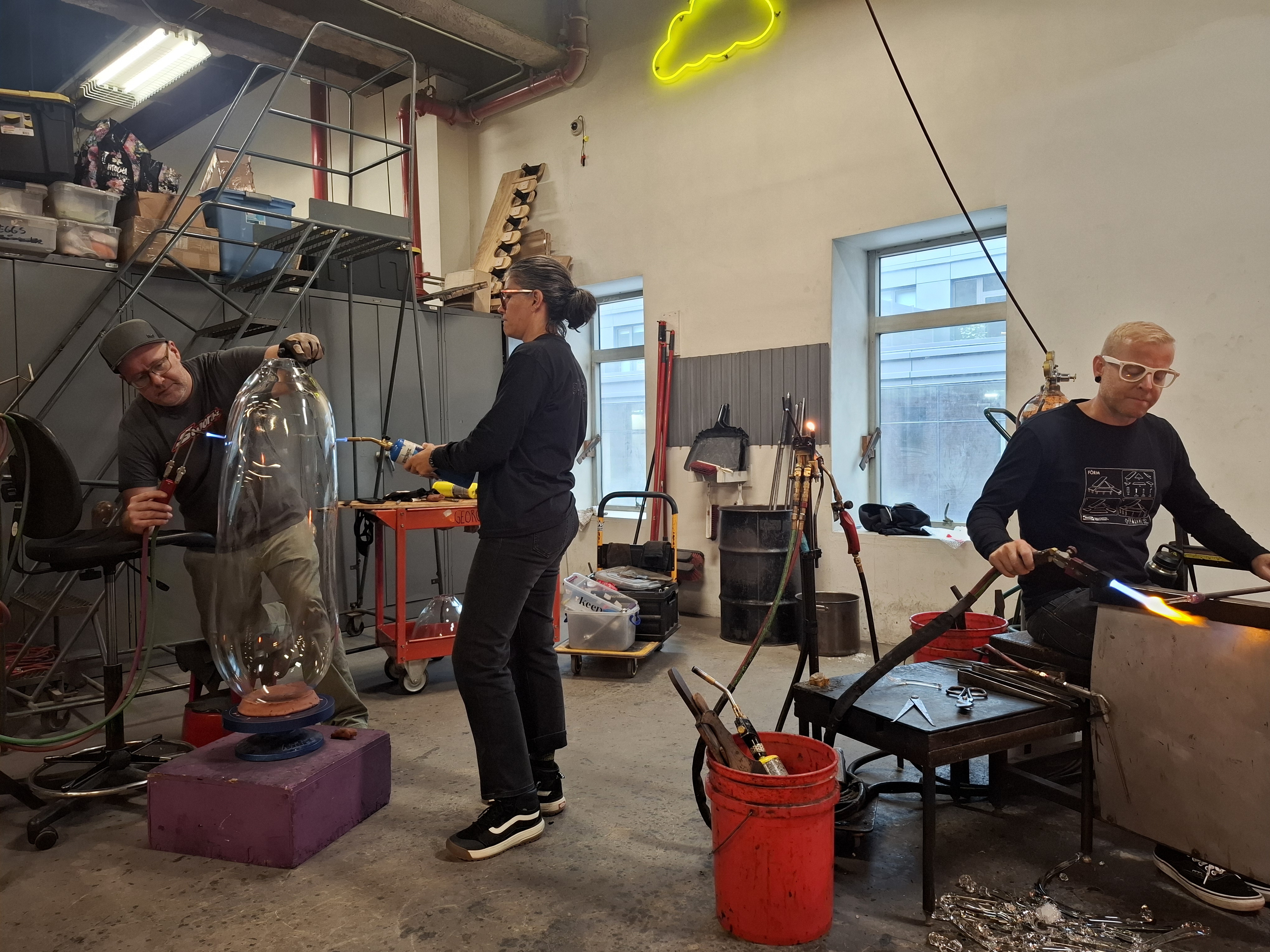
Our discussions focused on how these activities are organised and maintained, how different user groups access the facilities and how education, professional production and public engagement complement one another. Rather than functioning simply as a production space, UrbanGlass has developed an ecosystem in which artists, emerging practitioners, students and the wider public can encounter glassmaking through different forms of participation.
For Culture Hub Croatia, this offered valuable insights into the possibilities and challenges of developing similar activities at PROSTOR. Glassmaking requires substantial investment in equipment, specialised knowledge and appropriate technical and safety conditions. In Croatia, access to dedicated facilities and educational opportunities remains limited, making international cooperation particularly relevant.
The exchange also provided an opportunity to deepen the relationship with KEEP Brooklyn. Susan and Adam had already visited PROSTOR in Split, where they presented their work and connected with the local creative community. Their independent, practice-based approach offered another perspective on how craftsmanship, artistic production and contemporary design can come together.
The conversations explored possibilities for transferring specialised knowledge to Croatia, particularly through workshops, mentorship and opportunities for emerging artists and designers to engage directly with experienced practitioners. They also highlighted that knowledge exchange does not necessarily depend on having fully equipped infrastructure in place. Smaller-scale collaborations and educational initiatives can be important first steps towards developing a new creative practice within an existing hub.
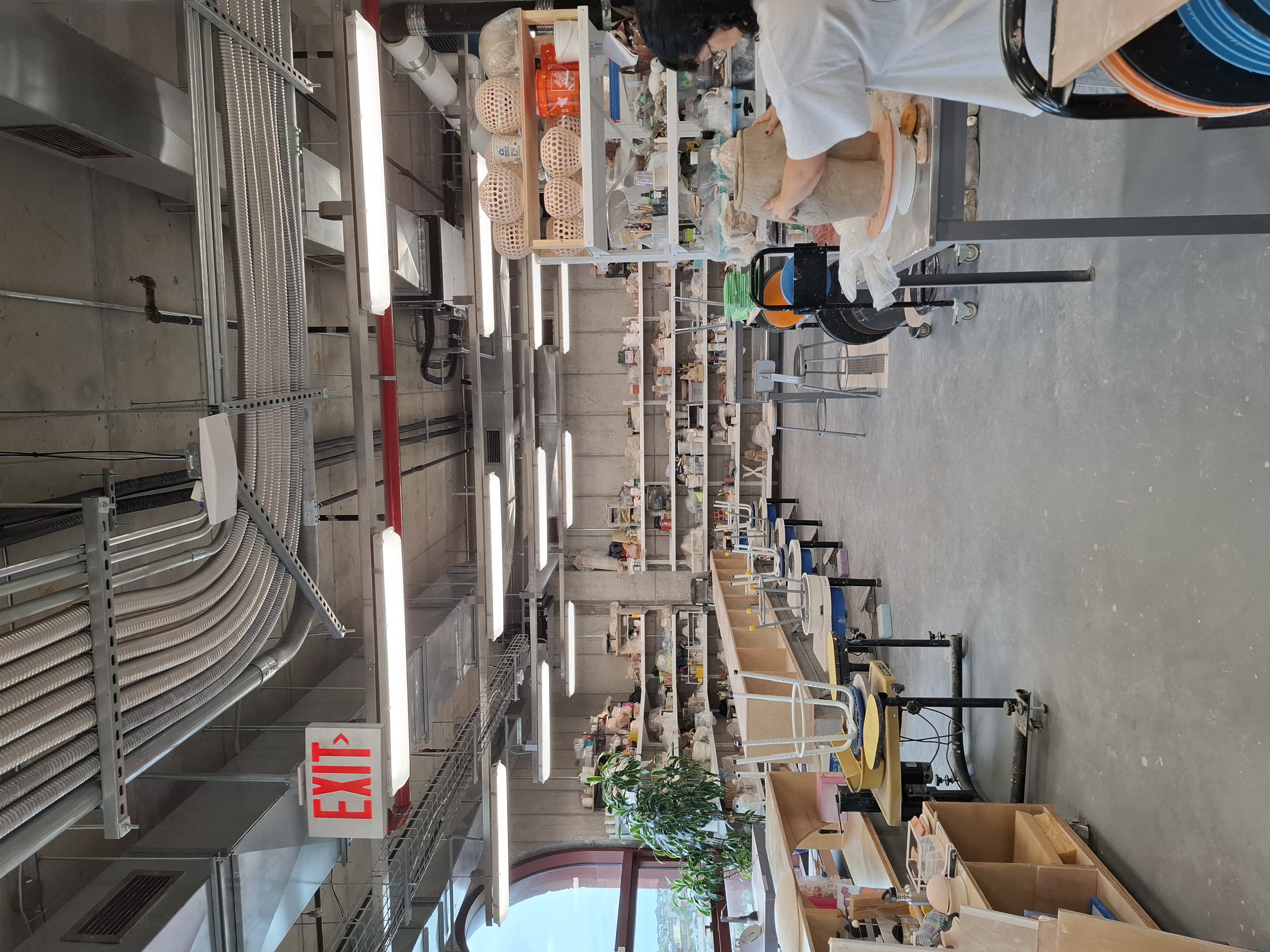
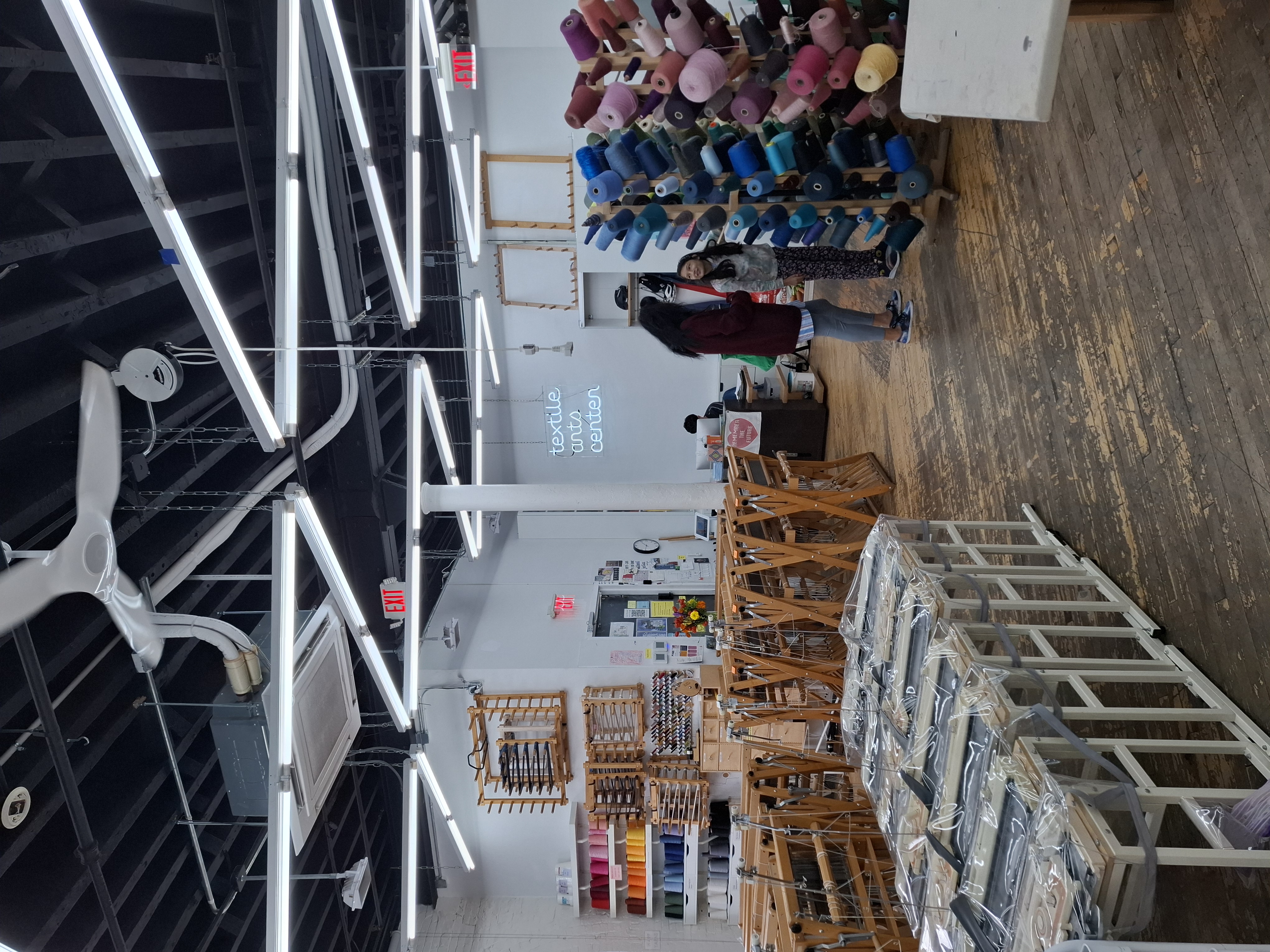
Beyond the meetings at UrbanGlass and KEEP Brooklyn, the exchange offered an opportunity to explore a wider range of arts and cultural spaces across New York City.Together, Marina, Susan and Adam visited Bklyn Clay, Powerhouse Arts, Textile Arts Center and Shiny Sparkle Glass Studio, discovering different approaches to specialised creative infrastructure and the ways in which these spaces support their respective artistic communities.
|
|
These encounters raised an interesting question about the relationship between specialised and multidisciplinary creative hubs. New York offers a diverse landscape of spaces dedicated to particular artistic disciplines, providing specialised facilities, equipment and professional environments. PROSTOR, on the other hand, brings together artists and practitioners working across different creative mediums, encouraging interdisciplinary encounters and collaboration.
What can these different models learn from one another? Could specialised centres benefit from the openness and cross-disciplinary exchanges of multidisciplinary hubs? And could spaces like PROSTOR develop new opportunities by connecting with more specialised organisations and their expertise?
Rather than identifying one model as more effective than the other, the exchange highlighted their complementary potential. Specialised facilities can provide the technical conditions and expertise required for particular practices to develop, while multidisciplinary hubs can create connections between different communities, disciplines and forms of knowledge.
The visits also encouraged reflection on how creative spaces can respond to the needs of their local communities while remaining open to international exchange and collaboration.
An important moment of the exchange was a public talk on PROSTOR and Croatian Glassmaking Heritage, hosted at UrbanGlass on 20 October 2026.
Bringing together Culture Hub Croatia, KEEP Brooklyn and members of the New York creative community, including artists, teaching artists and designers, the event introduced the work of PROSTOR, the European Creative Hubs Network and the history of glassmaking in Croatia.
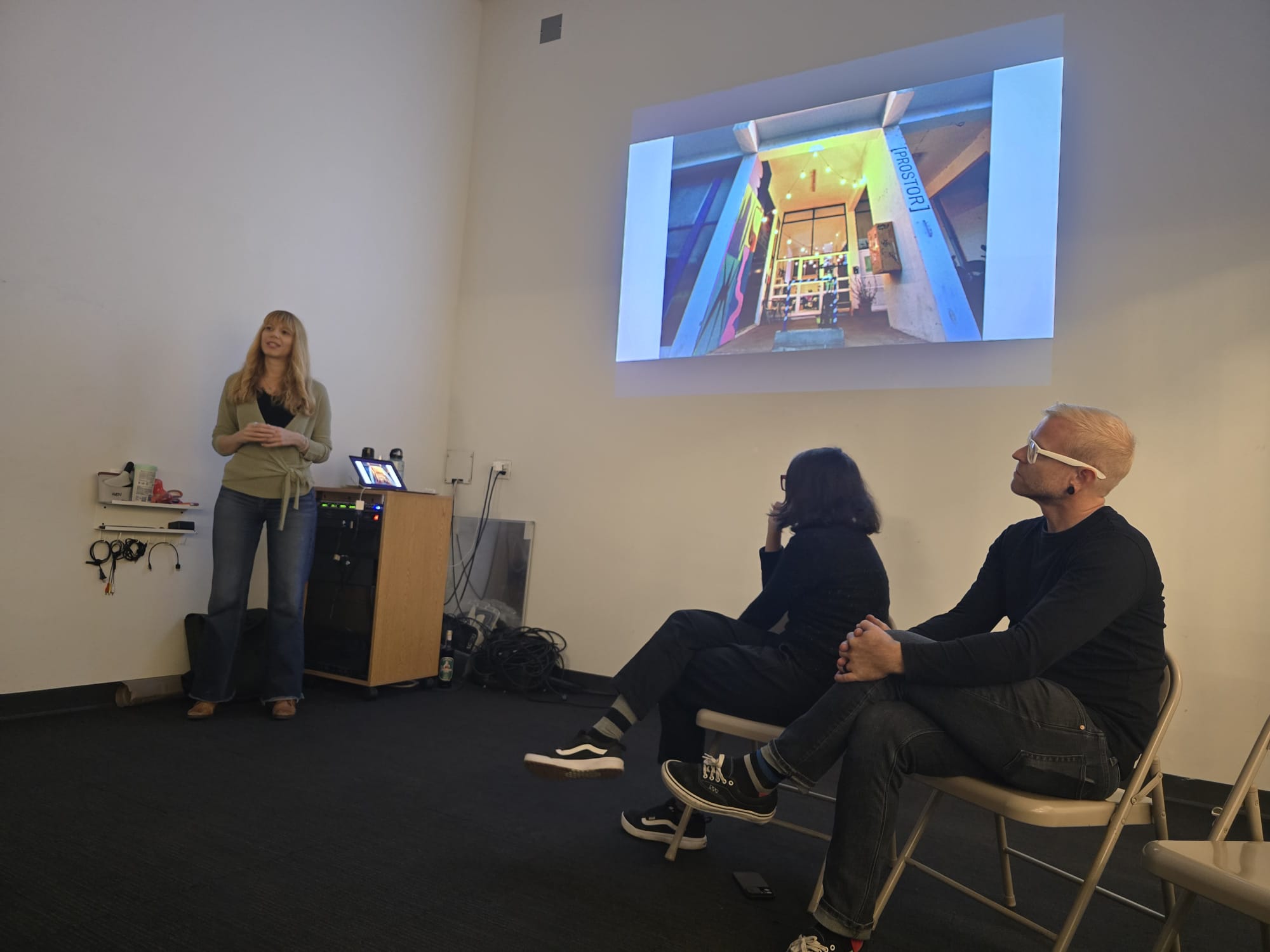
The discussion explored the role of creative hubs and cultural centres as spaces for education, creativity and development through culture, while addressing some of the challenges these organisations face. Particular attention was given to residencies, workshops and educational programmes, with participants sharing experiences about what has worked at PROSTOR, what could be brought from New York's cultural landscape and what UrbanGlass could learn from PROSTOR's programming.
The conversation also highlighted the history of Croatian glassmaking, dating back to Roman times, and the challenges involved in preserving this tradition today. Limited access to specialised education, the lack of appropriate studio infrastructure and the gradual disappearance of technical knowledge as experienced craftspeople retire all raise questions about how these practices can be transferred to future generations.
Among the participants was Odile Hainaut of Wanted Design, a New York-based design organisation connecting and amplifying global design through residencies, workshops, immersion trips and a membership programme. Her contribution brought another perspective on the role of specialised platforms and international networks in supporting creative professionals.
Beyond the exchange of experiences, the event opened up a broader conversation about the potential for stronger connections between creative organisations in New York and Europe. Participants expressed interest in visiting PROSTOR and learning more about the organisations involved in the European Creative Hubs Network. Questions also emerged about what a network connecting creative organisations across New York could look like and how such connections might develop into future collaborations.
One possibility that emerged was for UrbanGlass artists to connect with PROSTOR and other ECHN member organisations in the coming years, creating new opportunities for artistic mobility, knowledge exchange and collaboration.
Across the meetings, studio visits and discussions, one idea became increasingly tangible: preserving traditional craftsmanship is not simply about documenting techniques or protecting historical practices. It is also about creating the conditions in which knowledge can be shared, adapted and developed by new generations.
Glassmaking is particularly illustrative of this challenge. It requires specialised skills, equipment and opportunities for continuous practice. Without accessible educational programmes and spaces where practitioners can experiment and exchange knowledge, traditional expertise risks gradually disappearing.
For Culture Hub Croatia, connecting this heritage with contemporary artistic production, design and experimentation represents an important direction for the future development of PROSTOR. The experience of UrbanGlass demonstrated how specialised creative infrastructure can become a meeting point for artists, craftspeople, designers, students and the wider public, supporting both professional development and community participation.
The exchange also reinforced the value of international peer learning in contexts where individual organisations cannot easily overcome structural challenges on their own. Establishing connections with experienced practitioners and specialised organisations can provide access to expertise, alternative approaches and opportunities that might otherwise remain out of reach.
Another important reflection concerned the economic and organisational dimensions of specialised creative spaces. The experience of organisations such as UrbanGlass and the other creative centres visited in New York offered inspiration for considering how artistic practices and specialised facilities can develop sustainable activities and professional opportunities, while remaining connected to their wider cultural and community missions.
The exchange created a stronger foundation for continued collaboration between Culture Hub Croatia, UrbanGlass and KEEP Brooklyn, while opening up possibilities for wider connections between the New York and European creative communities.
Some first directions for future cooperation include inviting experienced glassmakers and practitioners from New York to Croatia to deliver workshops, educational programmes and mentorship activities. These could provide local artists, designers and emerging artisans with opportunities to experiment with glass as a creative medium, even before the development of a fully equipped studio at PROSTOR.
Artist mobility and residency opportunities could also allow Croatian practitioners to access specialised facilities and expertise in New York, while enabling American artists to engage with the Croatian cultural and creative context. In the longer term, joint projects, exhibitions, public discussions and collaborative productions could bring together the two glassmaking communities.
Beyond the initial partnerships, the interest expressed during the public event in connecting UrbanGlass artists with PROSTOR and other ECHN member organisations offers another possibility: extending the exchange into a wider network of creative professionals and organisations across Europe and the United States.
The knowledge gained will also feed into CHC's ongoing work in crafts, traditional knowledge transfer and the development of new creative facilities at PROSTOR, while offering insights that can be shared with the wider ECHN community.
The exchange brought back more than ideas about studio facilities and educational programmes. It offered a broader understanding of how specialised and multidisciplinary creative spaces can complement one another, how traditional knowledge can remain relevant through contemporary practice, and how international relationships can open up opportunities for local creative communities.
What began as an exploration of glassmaking infrastructure became a conversation about the future of craftsmanship, the role of creative hubs and the importance of creating spaces where knowledge, people and practices can come together.
The next step is to turn these connections into lasting opportunities for collaboration, bringing the creative communities of Croatia and New York closer and creating new possibilities for the next generation of glassmakers.